Designing a Species-Specific eDNA Assay for the Hairy Click Beetle (Synaptus filiformis)
3/23/2026
Detecting rare and subterranean invertebrates poses a particular challenge for conservation monitoring. Many species spend much of their life cycle below ground, leaving little trace of their presence during standard survey windows. The Hairy Click Beetle (Synaptus filiformis) is one such species, historically recorded from the lower Severn and Wye estuaries, where it occupies slightly saline Phalaris grass beds, yet now believed to be restricted to a few small locations in the UK. The UK population of the Hairy Click Beetle is considered ‘Endangered’ (IUCN) and listed as a Section 41 Species of Priority Importance under the Natural Environment and Rural Communities (NERC) Act 2006.
In February 2025 Dr Mark Steer from the University of the West of England led a series of workshops that aimed to increase the uptake of eDNA across government, research, and NGO sectors. These workshops identified the Hairy Click Beetle as a prime candidate for method development, as a species of high conservation importance, notoriously difficult to detect, and ideally suited to trial a new molecular approach. Gemma Mahoney (Environment Agency), is the National Species Lead for the Hairy Click Beetle, who is coordinating the project. As adults only emerge for only a short period and sweep surveys were not able to reliably capture species presence, Gemma saw the potential that a validated eDNA method could offer. By collecting soil and plant root material beetle populations could be detected with greater consistency.
Whilst metabarcoding remains a powerful tool for multi-species biodiversity assessment, species-specific quantitative PCR (qPCR) assays typically outperform broad-spectrum methods when DNA concentrations are extremely low or when the monitoring goal focuses on a single, high-priority taxon. A single species approach can reduce the need for extensive replication and is particularly suited to species like S. filiformis, which may persist at very low densities.
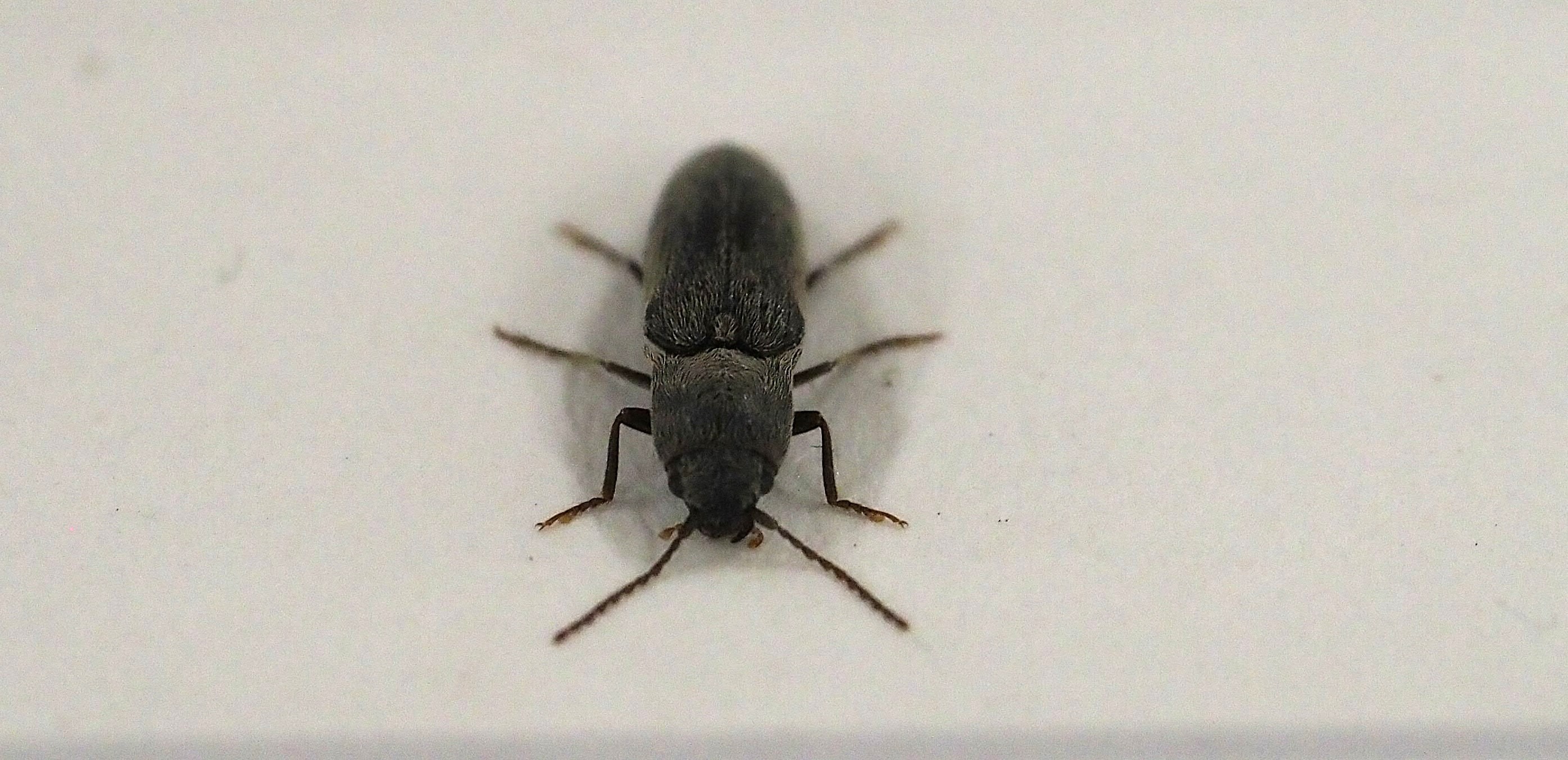
The eDNA Consultancy was commissioned to design and validate a species-specific assay, a process that brings together molecular design, laboratory testing, and field validation. The work began with extensive in silico testing, drawing on available Synaptus sequence data from public genetic databases. However, with limited information available for S. filiformis, reference material was obtained from a single stored research specimen, enabling precise sequence confirmation and assay validation.
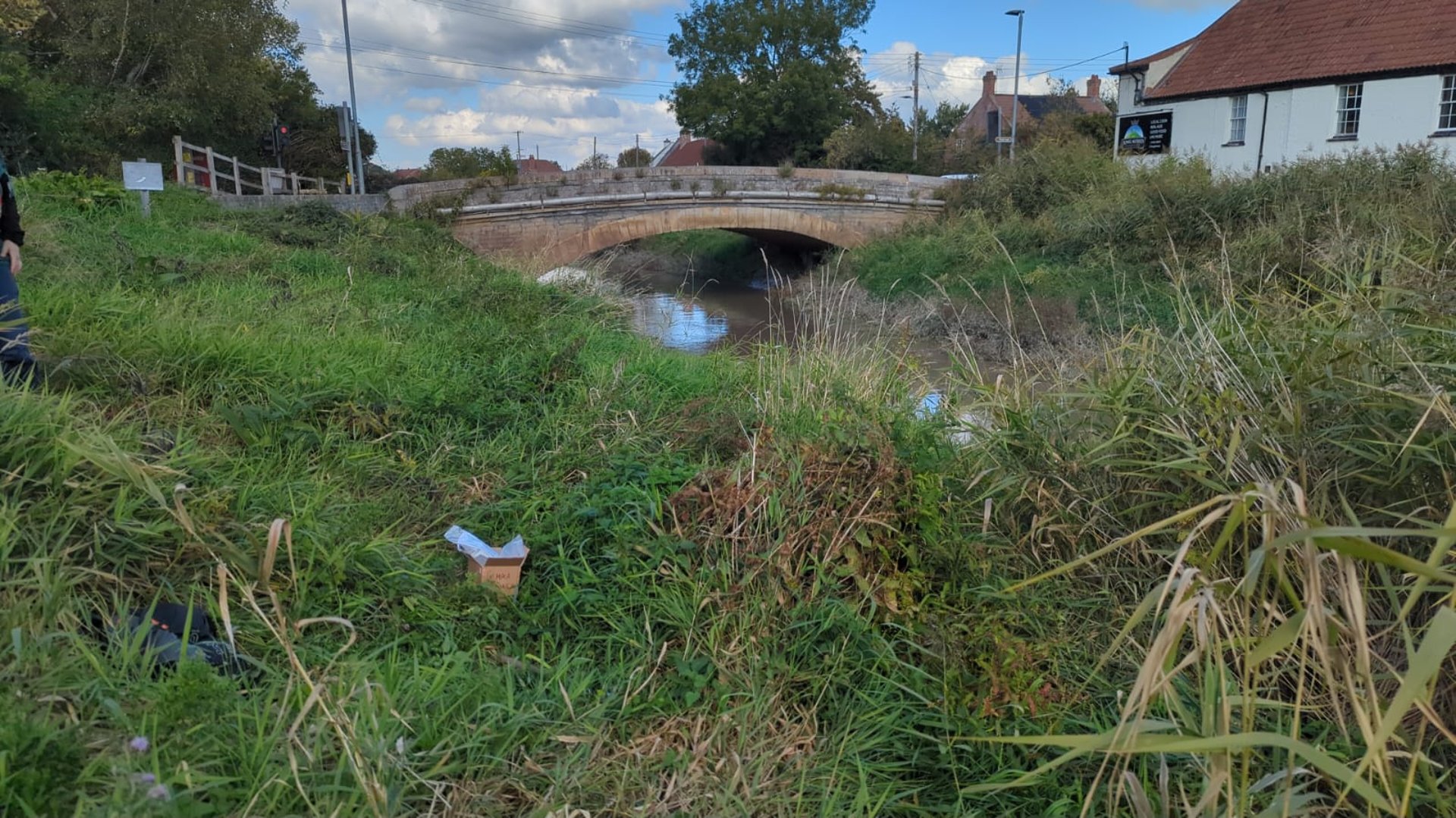
From there, laboratory in vitro trials determined the sensitivity of the assay and established the lowest concentration of target DNA that can be reliably detected. The assay will now be applied to environmental samples collected by Gemma and Mark in September 2025 from Phalaris root systems and soils along the River Parrett, Somerset, UK.
This collaboration between the Environment Agency, UWE, and The eDNA Consultancy represents a growing movement to integrate molecular methods into national invertebrate monitoring frameworks. By developing a reliable assay for the Hairy Click Beetle, the team hopes to demonstrate that eDNA can reveal the hidden presence of soil-dwelling invertebrates, that support ongoing conservation management .
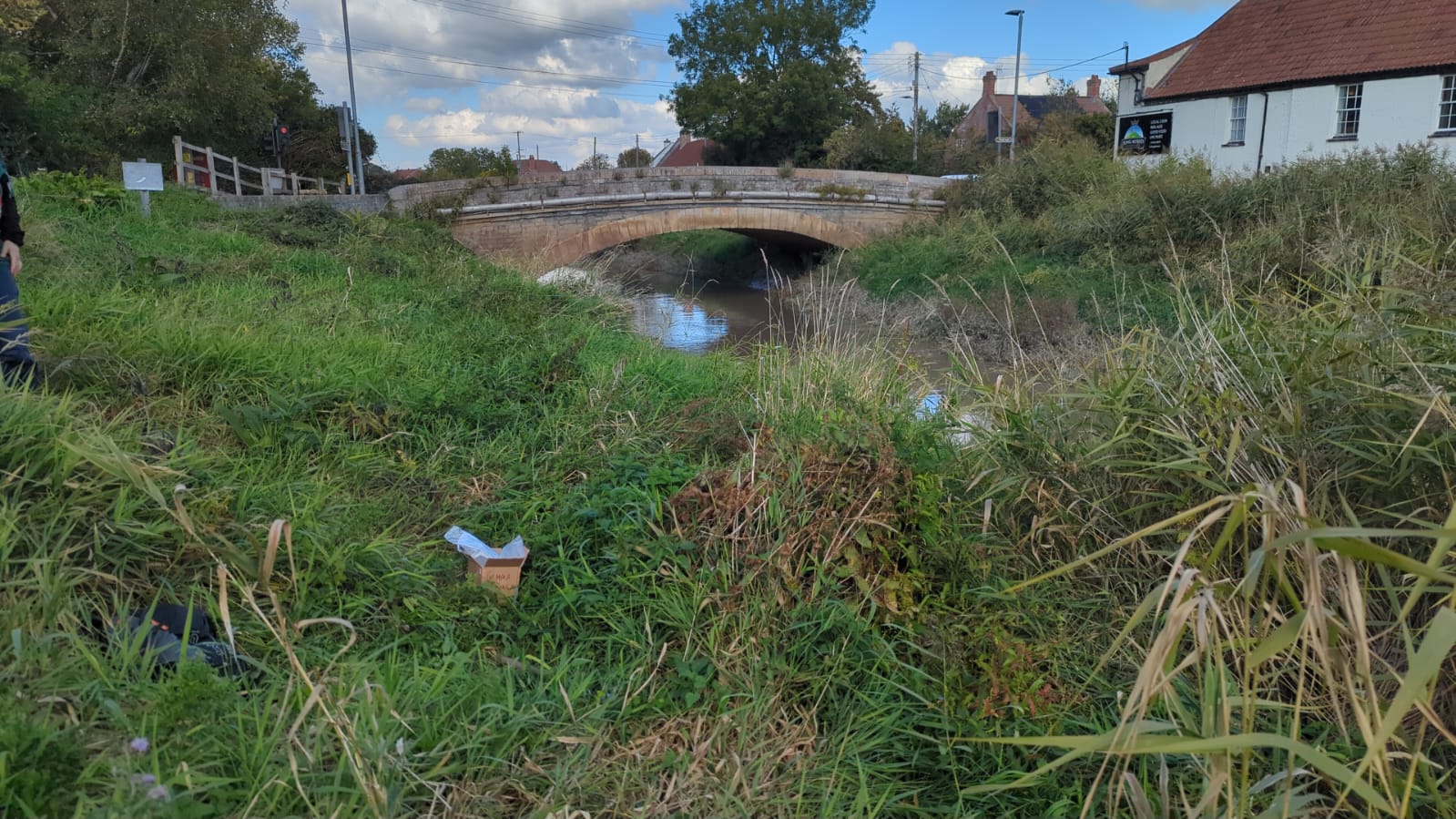
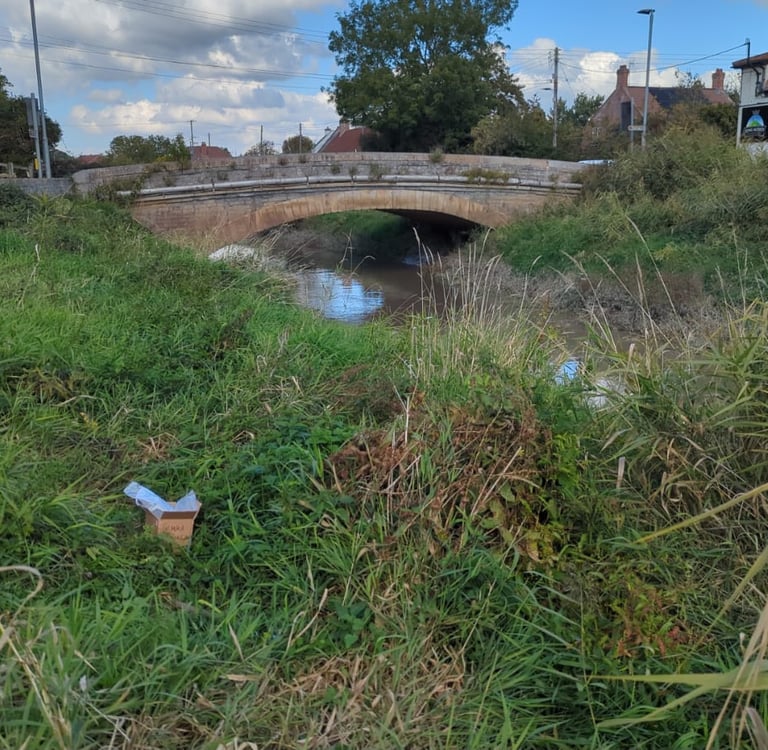
River Parrett sampling site
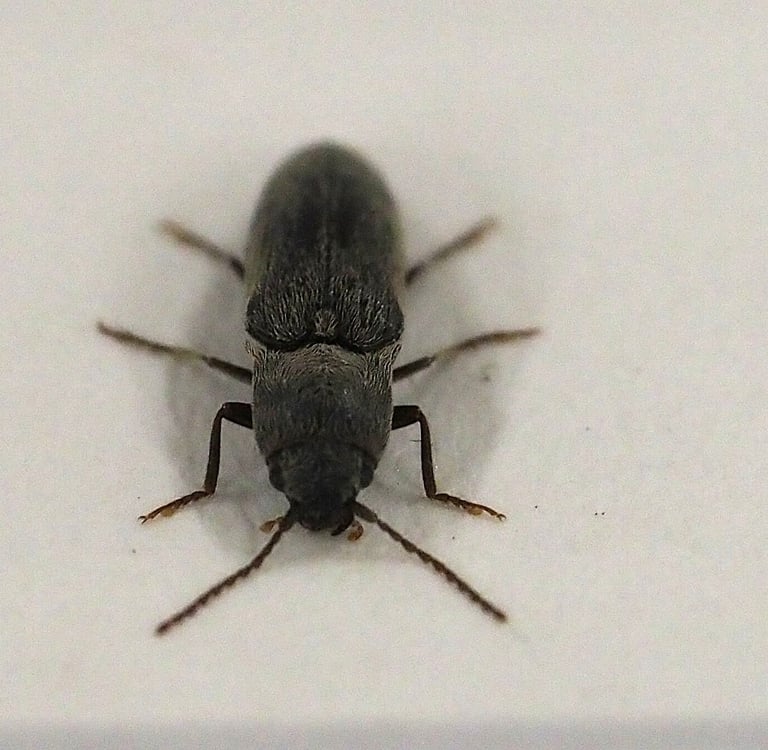
Research Specimen
The eDNA Consultancy
Where our expertise meets yours
ADDRESS
Unit 1, Tanhouse Farm, Frampton on Severn, Gloucestershire, GL2 7EH, GB
INQUIRE ABOUT OUR SERVICES
Web design and graphics by Bear Bones
The eDNA Consultancy Ltd is registered in England and Wales 15508607. VAT no: 482885735 © Copyright The eDNA Consultancy Ltd. All rights reserved.