Uncovering the Invisible: Seven Years of European Eel eDNA Monitoring in Somerset
How long-term European Eel eDNA surveillance, purpose-built primers, and rigorous survey design are reshaping our understanding of Anguilla anguilla in one of England's most ecologically complex river systems.
3/12/2026
A Long-term Commitment to Somerset's Eels
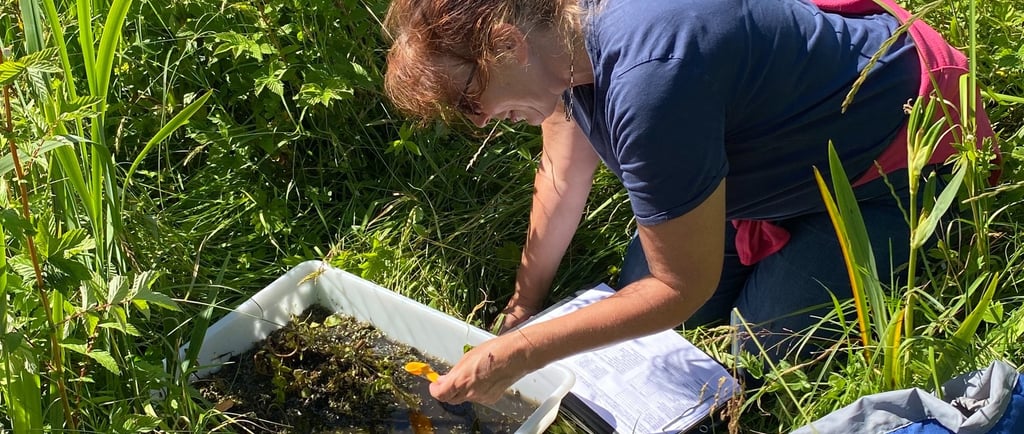
When Laura began surveying European eels across Somerset's river network in 2018, eDNA-based detection of Anguilla anguilla was practically un-heard of.
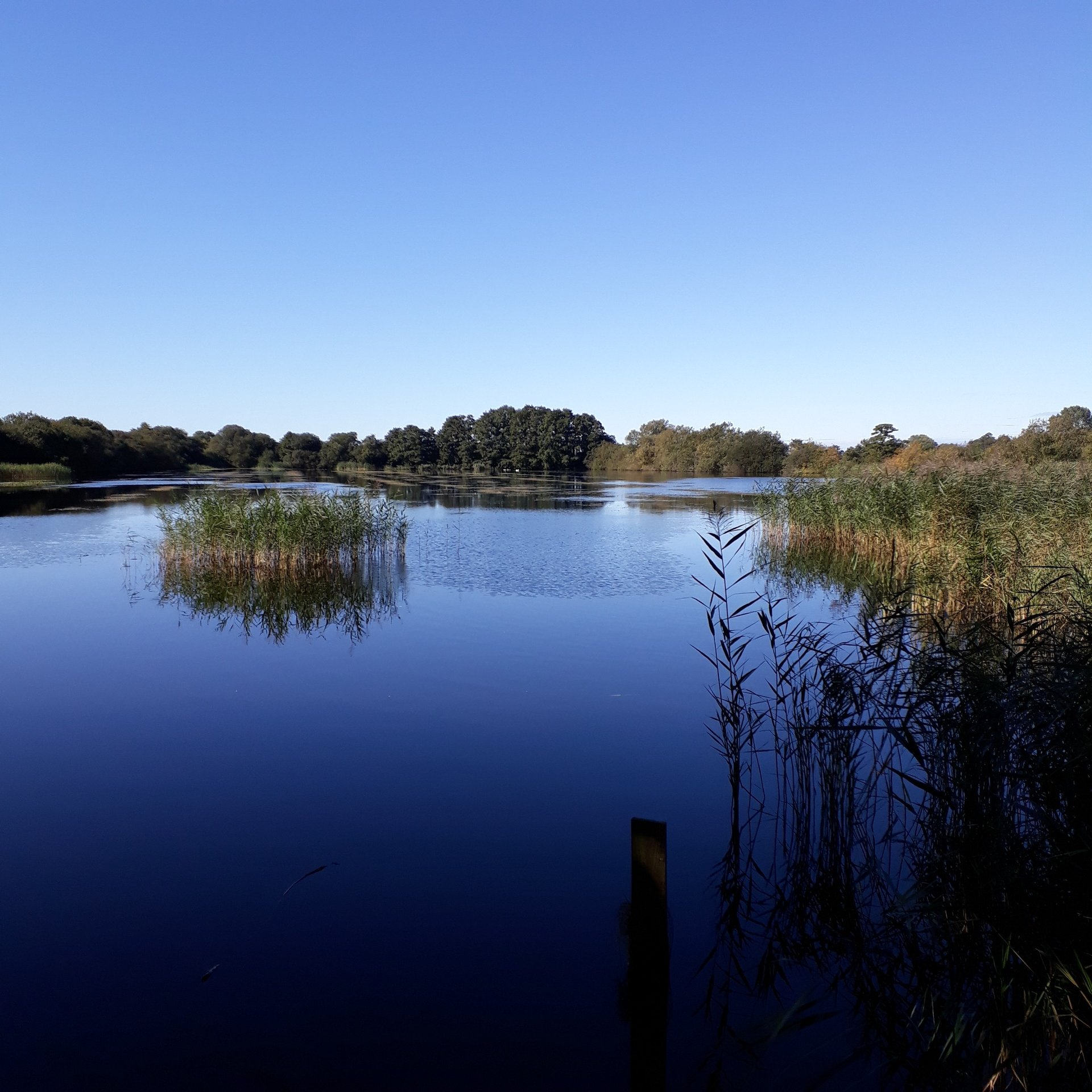
Working with environmental DNA extracted from water samples collected across Somerset's reservoirs, rivers and rhynes, Laura developed eel-specific eDNA primers, short DNA sequences that selectively amplify eel genetic material from environmental samples. These primers have since been validated and tested across a range of habitat types used by European eel. Crucially, these primers are now widely used, adopted by environmental consultancies and monitoring organisations beyond Somerset, and represent a meaningful contribution to the broader eDNA toolkit for freshwater conservation.
Seasonal Patterns: When You Sample Matters as Much as Where
One of the most recent findings to emerge from the longitudinal dataset we have built is the pronounced seasonality of eel eDNA detection. Across multiple sites and seasons, detection rates do not remain constant, they fluctuate in ways that are ecologically interpretable and practically important.
Our work for Somerset Wildlife Trust in 2024 highlighted that detection of eel eDNA in some of Somersets smaller rhynes is markedly lower in late summer in comparison to spring sampling. Sites that appear to be unoccupied during one part of the year may offer critical refugia or foraging areas at other times. A snapshot monitoring survey risks mischaracterising these dynamics entirely.
Contextualising Non-Detections: The Problem of False Absence
Across Somerset, other eel eDNA surveys have, at various points, reported non-detections of European eels at sites where their presence might reasonably be expected. On the surface, a negative eDNA result might seem straightforward: no eDNA detected, no eels present. In practice, the picture is more complex.
The eDNA Consultancy's work provides an invaluable lens through which these non-detections can be reinterpreted. Many of these surveys were conducted in September, when we now know detection probability significantly drops.
The multi-year Somerset dataset helps to contextualise these results and, in several cases, has provided compelling evidence that sites reported as eel-negative by other teams are, in fact, supporting eel populations, they were simply not detectable with eDNA under the conditions in which those surveys were conducted.
The European eel (Anguilla anguilla) is one of the most enigmatic and ecologically important freshwater species in the UK. It is also amongst the most threatened. Listed as Critically Endangered on the IUCN Red List, eel populations across Europe have declined by an estimated 90–95% since the 1980s, driven by a confluence of pressures: habitat fragmentation, mortality at water control structures, pollution, trafficking, and poor understanding of recruitment dynamics in many catchments.
Against this backdrop, generating reliable, repeatable, and ecologically meaningful data on eel presence and distribution is not a technical nicety, it is a conservation imperative. This is exactly what Dr Laura Weldon from The eDNA Consultancy has been doing in Somerset since 2018.
Why Survey Design is Everything
The lessons from seven years of eel eDNA monitoring in Somerset highlight a single, principle: survey design is the foundation on which all subsequent data interpretation rests. A technically proficient eDNA analysis means very little if the sampling strategy does not account for the biology of the target species, the ecology of the system, or the statistical requirements of the questions being asked.
For European eels specifically, robust survey design needs to consider the timing of sampling; the spatial distribution of samples across habitat types likely to be used by eels at different life stages; the number of field replicates required; the choice of primers and laboratory protocols validated for the target species; and the integration of environmental covariates that influence eDNA dynamics.
This is where The eDNA Consultancy's expertise and accumulated experience comes in. We apply a body of knowledge built over years of targeted monitoring, using methods we have developed and validated ourselves, and informed by a longitudinal dataset.
Looking Ahead: Recruitment Dynamics and the Shadow of Hinkley Point C
Our monitoring work in Somerset continues in 2026, with an important new line of investigation taking shape around glass eel recruitment dynamics along the River Parrett.
There is growing evidence that eel recruitment along the Parrett is already impaired, and the construction and operation of Hinkley Point C may exacerbate this. Power stations abstract large volumes of seawater for cooling, and there is evidence linking water abstraction at coastal infrastructure with entrainment mortality of glass eels during their inshore migration. The scale and proximity of Hinkley Point C to key eel recruitment corridors to the West of England warrants serious scientific scrutiny.
The monitoring programme is designed to gather baseline and spatially resolved data needed to begin answering these questions rigorously. This is exactly the kind of work where eDNA monitoring, when well-designed and consistently implemented, can contribute meaningfully to the evidence base informing regulatory decisions and conservation interventions.
If you have an eel or other species monitoring programme in mind and would like some support with survey design and implementation, get in touch for a free initial call. More information about our survey design steps can be found here.

The eDNA Consultancy
Where our expertise meets yours
ADDRESS
Unit 1, Tanhouse Farm, Frampton on Severn, Gloucestershire, GL2 7EH, GB
INQUIRE ABOUT OUR SERVICES
Web design and graphics by Bear Bones
The eDNA Consultancy Ltd is registered in England and Wales 15508607. VAT no: 482885735 © Copyright The eDNA Consultancy Ltd. All rights reserved.